Search for how to get rid of cellulite, and you will find an endless variety of wellness routines. Between wooden body brushes, silicone vacuum cups, deep-tissue massage rollers, and gallon jugs of lemon water, there is no shortage of advice promising smoother skin.
It is easy to see why these rituals catch on. They feel proactive, and the explanations often sound plausible, touching on ideas like boosting circulation, moving fluids, or softening tight tissue.
The biological reality is much simpler and far kinder to your body. Cellulite is not trapped waste, poor hygiene, or a lack of discipline. It is a natural anatomical pattern found in up to 90 percent of women.
Knowing how these techniques interact with your skin helps you focus on habits that make a genuine difference.
The difference between surface drainage and structural remodeling
Evaluating any body routine requires drawing a clean line between two layers of skin biology: the surface epidermis and the structural hypodermis.
Beneath your skin sits a network of vertical fibrous bands called septae that tether your outer skin to underlying muscle. Fat compartments push upward between these tethered cords. When the bands pull down and the fat pushes up, dimples form on the surface.
Techniques like dry brushing, cupping, and massage interact primarily with microcirculation and the lymphatic system. Lymphatic vessels sit just below the surface, carrying fluid and waste through the body.
Stimulating these vessels can reduce localized water retention, which temporarily softens the shadow cast by a dimple. But mechanical rubbing on the surface cannot dissolve, stretch, or rearrange rigid collagen cables anchored half an inch deep in tissue. Surface tools produce temporary surface effects, while structural change requires deep dermal interventions.
Dry brushing: invigorating exfoliation that stops at the surface
 Dry brushing involves sweeping a stiff, natural-bristle brush over bare skin toward the heart before showering. Fans of the technique claim it breaks up cellulite, melts fat deposits, and detoxifies tissue.
What does dry brushing do? It offers excellent physical exfoliation. Sweeping dry bristles across your limbs removes dead, dry surface cells, leaving skin feeling soft, smooth, and awake. It also triggers mild vasodilation, bringing a rush of blood to the surface that creates an invigorating rosy glow.
What dry brushing cannot do is change the connective tissue causing cellulite. Stiff bristles sliding across your stratum corneum (the outermost layer of dead skin cells) cannot reach the subdermal fat chambers or alter vertical fibrous cords.
Enjoy dry brushing for softer skin and sensory awakening, while keeping structural expectations grounded.
Cupping and vacuum massage: temporary fluid shifts
Silicone suction cups and vacuum massage devices have gained huge popularity for home use, with brands claiming they unbind tight fascia and eliminate dimples.
The technique involves applying body oil and sliding a suction cup across the skin to create negative pressure. That suction pulls tissue upward, stretching the skin and stimulating local blood flow.
This suction can mobilize interstitial fluid, flushing out localized puffiness. Because swollen fluid between fat lobules can exaggerate dimpling, a thorough cupping session can make skin look slightly smoother for twelve to twenty-four hours.
However, that temporary smoothing comes from shifting fluid, not remodeling connective tissue. As fluid naturally balances itself out over the following day, the original contour returns.
Aggressive cupping also carries genuine downsides. Applying too much suction or pulling too hard can break superficial capillaries, leading to purple bruising and spider veins. Treating your skin gently always delivers better long-term results than trying to force it into submission.
The hydration and clean eating myth: what diet does and does not change
Another persistent myth is that cellulite is caused by toxins from processed food, and that drinking gallons of water or following a clean detox diet will make it vanish.
Diet plays a central role in overall health, energy, and muscle retention, but cellulite is not a toxic waste dump. Cellulite appears on world-class athletes, fitness instructors, marathon runners, and teenagers. It is driven by genetics, female estrogen receptor distribution, and skin thickness, not dietary purity.
That said, hydration has an indirect effect on how skin looks. Dehydrated skin loses turgor and resilience, becoming thinner and more fragile. When the outer skin layer thins out, underlying structural dimples become more visible, like placing a thin sheet over a bumpy mattress instead of a heavy quilt.
Drinking sufficient water keeps the dermal matrix hydrated and supple, helping it maintain its natural volume. Eating nutritious protein supports your body's natural collagen production. Good nutrition supports healthy skin tissue, but expecting a green juice to dissolve fibrous bands will only lead to frustration.
Building a routine that respects your anatomy
 Rather than cycling through aggressive trends, a balanced body routine pairs surface care with deep structural support:
-
Surface refinement: Use gentle exfoliation, such as mild body washes with lactic acid or light dry brushing, to keep dead skin cells from dulling the surface.
-
Barrier hydration: Apply rich humectants like glycerin and barrier-repairing ceramides immediately after showering to lock in moisture and keep the outer layer plump.
-
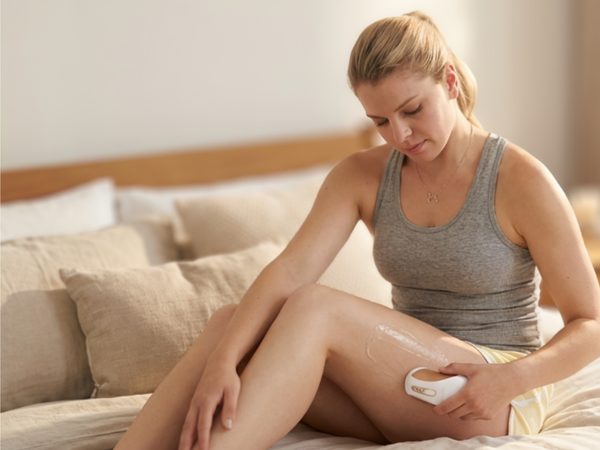
Structural stimulation: For visible smoothing of wavy texture and laxity, focus on technologies designed to reach deep into the dermis. Consistent weekly sessions with at-home body skin tightening tools deliver controlled thermal energy that encourages natural collagen remodeling over time.
-
Muscle tone: Resistance training that targets the glutes, hamstrings, and quadriceps builds a firmer muscular foundation beneath the subcutaneous layer, creating a smoother base.